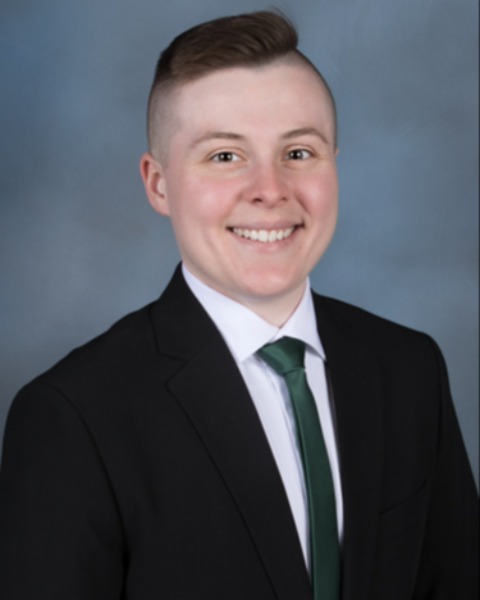
Resident Physician University of Cincinnati Cincinnati, Ohio
Disclosure(s): No financial relationships to disclose
Disclosure(s):
Mel Ebeling, MD: No financial relationships to disclose
The man in Room 6 has barricaded himself in there and set the bed sheets on fire. The woman in Room 13 is in active psychosis and convinced that the staff are trying to kill her. A suicidal man at Registration is holding an employee at knife-point. These are all actual crises that have occurred in emergency departments across the country as the rate of violence against healthcare workers continues to rise. Yet, having a police officer on staff is not always a reality. How are you going to handle a barricaded patient wanting to kill themselves? What are you going to say? Chances are, the communication skills taught to you in medical school were limited to the “SPIKES” mnemonic for delivering bad news and being told that you should listen more than you speak. This session addresses the “missing curriculum” of how to successfully navigate critical conversations in the emergency department, ranging from discussing treatment plans with your patients to performing high-stress, high-stakes negotiations when lives are on the line. Drawing from techniques developed by the FBI Crisis Negotiation Unit, learners can expect to walk away from this session with practical, timely active listening skills proven by experience to benefit the toughest conversations.
Learning Objectives:
Identify high-risk encounters in the emergency department requiring crisis negotiations.
Discuss the importance of active listening in crisis negotiations and physician-patient interactions.
Describe the “MOREPIES” mnemonic for active listening techniques.