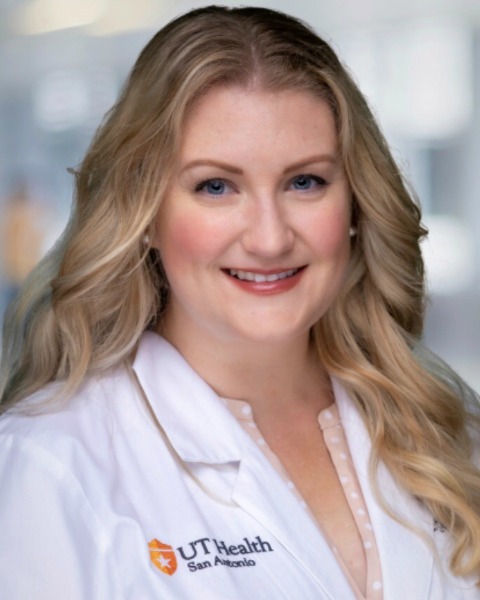
Associate Clinical Professor UT Health San Antonio San Antonio, Texas
Disclosure(s): No financial relationships to disclose
Disclosure(s):
Katherine Raczek, MD, FAAEM, FACEP, FAEMS: No financial relationships to disclose
Breve Dulce series of talks highlighting different aspects of EMS care and treatment for emergent patients that may not be consistent with traditional care and current practice.
Over the last several years with the rise of the EMS subspecialty and increasing body of evidence, EMS has rapidly evolved from a simple algorithmic approach and rapid transport to a wide variety of, sometimes cutting edge, patient care approach. Much like with the utilization and ultimate ubiquitous rise of EtCO2, some of these treatments have skipped over the emergency department to the prehospital environment. This series of short lectures will highlight different treatment approaches to time sensitive emergencies and provide the scientific evidence behind these changes. Participants not only will be exposed to innovative and increasingly common patient care approaches from their prehospital colleagues but can take away new ideas to bring back to their current systems.
This session will review the most current evidence-based and collaborative treatment approaches to patients with prehospital traumatic arrest, with a focus on why CPR should be considered only after other life-saving interventions. We will review the new Joint Position Statement from NAEMSP, ACS-COT, and ACEP, which places emphasis on the rapid identification and treatment of reversible causes of traumatic arrest, and provides recommendations on when transport and/or traditional medications are appropriate.
Learning Objectives:
Summarize the most current evidence-based and collaborative treatment approaches to patients with prehospital traumatic arrest
Explain why CPR should only be considered after other life-saving interventions in prehospital traumatic arrest